
Publications & Interviews by Dr. Peter Moskowitz
Prolific and Popular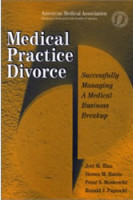
I am recognized as one of the leading authorities on the career issues of physicians, career transition coaching, non-clinical career options for physicians, life planning problems for doctors, and physician wellness. I also conduct research and publish the findings on factors influencing physician career satisfaction, and have co-authored a book on medical career transitions.
Medical Practice Divorce
I co-authored this book, published by the AMA. It is a primer on medical practice transitions. It offers practical information about the legal, financial, and career planning issues physicians must confront in the process of making a practice transition within medicine or to new non-clinical careers. The book also provides guidelines for setting up a medical practice the right way. A review in Amazon.com says this book should be required reading for every doctor in training. The book is now out-of-print, but copies are available at Amazon.com.
Articles I have written
I regularly write feature articles discussing aspects of career planning, stress management, work / life balance, career transition planning, and other issues relevant to contemporary medical practice. These features are published in a variety of medical trade journals and healthcare news magazines. Below, you will find a sampling of feature articles I have written.
Articles that Quote Me
Here you will find articles and excerpts from such well-known magazines and journals as American Medical News, Career Planning and Adult Development Journal, Diagnostic Imaging, RADIOLOGY, Family Practice Management, Medical Economics, Doctor’s Digest, RSNA News and others. They all discuss topics related to successful medical career management, coping with career dissatisfaction, professional burnout, and tools and maps for balancing your personal and professional life.